USD $
AFN ؋
EUR €
ALL L
DZD د.ج
XCD $
AMD դր.
AWG ƒ
SHP £
AUD $
AZN ₼
BSD $
BDT ৳
BBD $
BZD $
XOF Fr
BOB Bs.
BAM КМ
BWP P
BND $
BIF Fr
KHR ៛
XAF CFA
CAD $
CVE $
KYD $
CNY ¥
KMF Fr
CDF Fr
NZD $
CRC ₡
ANG ƒ
CZK Kč
DKK kr.
DJF Fdj
DOP $
EGP ج.م
ETB Br
FKP £
FJD $
XPF Fr
GMD D
GBP £
GTQ Q
GNF Fr
GYD $
HNL L
HKD $
HUF Ft
ISK kr
INR ₹
IDR Rp
ILS ₪
JMD $
JPY ¥
KZT ₸
KES KSh
KGS som
LAK ₭
LBP ل.ل
CHF CHF
MOP P
MWK MK
MYR RM
MVR MVR
MUR ₨
MDL L
MNT ₮
MAD د.م.
MMK K
NPR Rs.
NIO C$
NGN ₦
MKD ден
PKR ₨
PGK K
PYG ₲
PEN S/
PHP ₱
PLN zł
QAR ر.ق
RON Lei
RWF FRw
WST T
STD Db
SAR ر.س
RSD РСД
SLL Le
SGD $
SBD $
KRW ₩
LKR ₨
SEK kr
TWD $
TJS ЅМ
TZS Sh
THB ฿
TOP T$
TTD $
UGX USh
UAH ₴
AED د.إ
UYU $U
UZS so'm
VUV Vt
VND ₫
YER ﷼
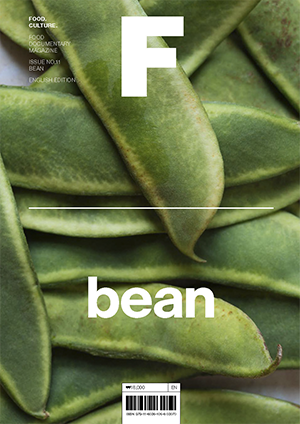
Beans are a prime source of plant-based protein that have always appeared on lists of “superfoods.” Also efficient to cultivate, these protein-rich crops have been farmed the longest throughout history and used in ways that contributed greatly to human food culture. In big bean-consuming countries like Korea and China, beans become tofu, pastes, and sauces for daily consumption, and they enjoy a high status as a food staple alongside rice.
Beans, having paved the way to development of fermentation techniques, are now applauded by world-renowned chefs as being a key ingredient to enhance flavor. Amid growing concerns over the environment and food security around the globe, beans serve an increasingly important role as an alternative to animal-based protein.